
Alcohol withdrawal side effects can range from moderate to severe. While stage 3 symptoms can be most severe, symptoms also start to resolve during this time. Some milder symptoms, such as mood changes, fatigue, and sleeplessness, may continue, which is referred to as post-acute withdrawal syndrome (PAWS). If you have mild-to-moderate alcohol withdrawal symptoms, you can often be treated in an outpatient setting. During this process, you will need someone to stay with you and keep an eye on you. https://marketingdigitalempresas.com.br/seizures-from-alcohol-withdrawal-how-do-they-occur/ You will likely need to make daily visits to your provider until you are stable.
I bonus generosi sono uno dei motivi per cui i casino non AAMS attirano tanti giocatori.
Alcohol Tremors FAQs
- Your doctor may also prescribe medications that can reduce withdrawal symptoms and cravings.
- Outpatient rehab allows patients to attend to their daily responsibilities while in recovery.
- Chronic alcohol misuse can lead to physiological dependence and addiction, or alcohol use disorder.
- DeNovo Recovery’s programs offer both medical and emotional support.
- People experiencing mild to moderate alcohol withdrawal symptoms often receive outpatient care—meaning there is no extended time spent in a hospital or facility.
Mild alcohol tremors can be managed at home only under clinician guidance, with a safety plan in place. This plan must include daily alcohol detox side effects check ins and proper fluid and nutritional intake and driving must be avoided. If symptoms worsen or if supervision is not reliable, it is crucial to escalate to urgent care or emergency services. This stage can include gastrointestinal symptoms such as nausea and diarrhea, increased irritability, and hallucinations. Total and lifelong avoidance of alcohol (abstinence) is the best treatment for those who have gone through alcohol withdrawal.

What are the first symptoms of alcohol withdrawal?
Of the visits for cocaine use, 49% were in the southern United States, whereas 60% of psychostimulant use visits were in the western United States. Psychiatric and cardiovascular concerns were seen most often.36 Statistical data on the prevalence of drug discontinuation syndrome is limited and likely underrepresented. Mild withdrawal may be managed at home with medical guidance, but severe cases should be monitored in a medical facility to ensure safety. Alcohol withdrawal typically progresses in stages, each with unique characteristics. These stages can vary slightly for each individual but generally follow a predictable pattern.

Tips for Coping with Alcohol Withdrawal Effects
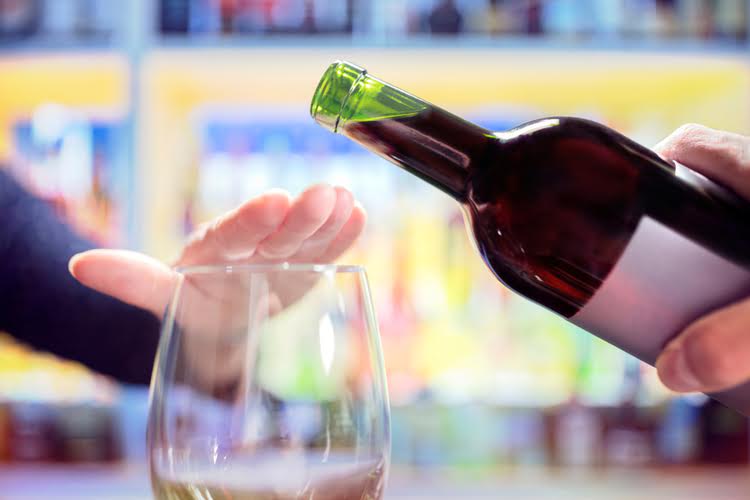
Alcohol detox side effects Halfway house include both physical and psychological aspects. Your system reacts with withdrawal symptoms like shaking, sweating, or anxiety. Eating liver-supportive foods like leafy greens, lean protein, and cutting out added sugars can help recovery.
- Alcohol withdrawal can be dangerous and potentially life threatening for people who excessively drink.
- Slowly tapering off the amount of medication being used until it is no longer necessary to take any.
- However, stopping alcohol consumption always prevents further damage and often allows for partial recovery.
- Delirium Tremens (DTs) is an illness that induces confusion, violent trembling, high fever, and hallucinations.
- While it may seem impossible to resist these cravings, there are a number of techniques that you can use to help you do so.
The Recovery Village Columbus
Alcohol impacts the body’s nervous system deeply, influencing different processes and functions. Upon withdrawal from alcohol or cessation of consumption after regularly drinking alcohol, the body reacts. The body takes time to adjust to functioning normally without alcohol. Stage three begins between 48 and 72 hours after alcohol cessation.